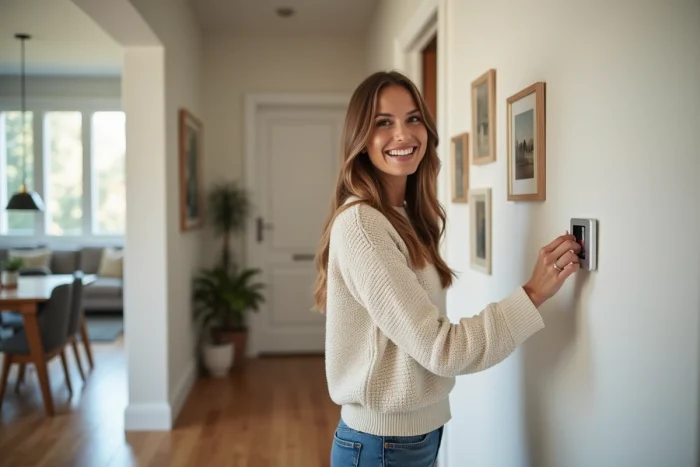
Missing out on thermal comfort is often to overlook simple yet effective actions, sometimes neglected in favor of costly solutions. Insulation errors persist even in recent constructions, despite new regulations.
However, little-known devices can optimize energy performance without disrupting the interior organization. Daily habits also play an underestimated role in managing heat and coolness.
Energy performance: where does your home stand today?
The energy performance of a home does not stop at a score on a certificate or a number on a bill. The energy performance diagnosis highlights weak points: cold areas, old installations, uneven insulation. Too many homeowners stop there, forgetting that each dwelling has its specificities. It is necessary to push the analysis further, beyond the simple official document.
Before undertaking energy renovation work, start by observing what your daily life reveals. What are your actual consumption levels? Where do you feel heat loss? Does the heating work as it should? Does the ventilation ensure healthy air without straining the budget? The energy performance of the home depends as much on the materials used as on your way of living inside. A well-conducted energy audit sheds light on priorities and outlines a clear roadmap. For more in-depth information, the resources from techniquehabitat.fr are invaluable, both on energy efficiency and thermal comfort.
The aging of the French housing stock, sometimes unpredictable bills, and increased requirements during real estate transactions make improving the energy performance of homes essential. If you want to evolve your habitat, don’t be caught off guard by the next increase in charges or an inspection. Anticipate, request an audit, and plan a renovation that makes sense.
What techniques should you prioritize to renovate without making mistakes?
Renovating means making choices. Energy renovation requires being pragmatic and methodical. Many French homes date back to before the first thermal standards. Needs vary according to the context:
- apartment in the city center,
- house from the 1970s,
- semi-detached house,
Each configuration calls for an adapted approach.
Start by addressing the weaknesses identified during the audit. Insulation should serve as the foundation for any effective home renovation: walls, attics, ground floors, every surface deserves attention. Careful insulation reduces thermal bridges and prepares the ground for sustainable savings.
Next? The heating. Replacing an old boiler, installing a heat pump, modernizing radiators: each option must be tailored to your usage and the nature of the building. As for ventilation, it is often overlooked even though its contribution to indoor well-being is crucial. A well-sized VMC protects air quality and prevents humidity from settling in while maintaining thermal performance.
Here are the key points to keep in mind for establishing your strategy:
- Thermal insulation: first address opaque walls, then complement with double glazing if needed.
- Heating: adopt a high-efficiency system, perfectly suited to your habitat.
- Ventilation: favor a simple or double flow VMC depending on your home’s configuration.
At every stage, inform yourself about available aid programs: subsidies, reduced rates, technical support. This rigor protects your finances and optimizes the impact of improvement work on the thermal comfort of your house or apartment.
Smart tips to boost thermal comfort on a daily basis
Thermal comfort is not just about major projects. Sometimes, small changes are enough to make the habitat more pleasant and temperate. Adjusting the improvement of your interior involves paying attention to details and gradually evolving daily rituals.
Here are some simple tips that make a difference:
- Hang thick curtains in front of windows: they limit heat loss in winter and slow down heat entry in summer.
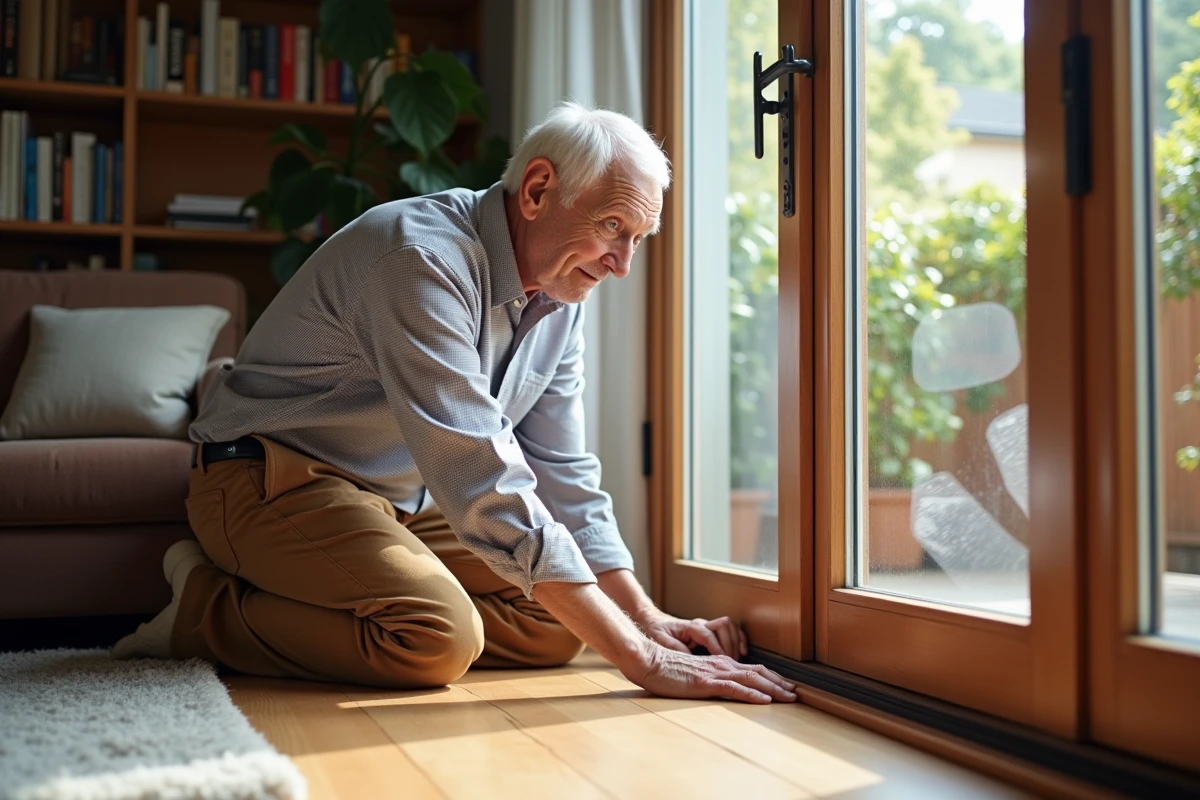
- Enhance the sealing of doors and windows with appropriate seals: this eliminates drafts and reduces the sensation of cold walls, providing immediate thermal comfort.
- Briefly but regularly ventilate: ten minutes is enough to renew the air without cooling the walls. This reflex improves indoor air quality while preserving heat.
Managing indoor temperatures can also be refined through smart heating control. With programmable thermostats, you can adjust the temperature room by room, in sync with your daily rhythms. Reducing the temperature by a few degrees at night in the bedrooms promotes more restorative sleep while lightening the bill.
Improving comfort also involves choosing materials: a thick rug, natural textiles, well-chosen furniture. These elements absorb and return heat, enhancing the feeling of well-being. These adjustments, often accessible, can transform the atmosphere of your interior without requiring heavy investments.
Sometimes, it takes very little to change the feel of a room. A seal installed or a good thickness of curtains, and the house takes on a whole new dimension. Adjust, test, and above all, never underestimate the power of small gestures: this is often where comfort takes hold sustainably.