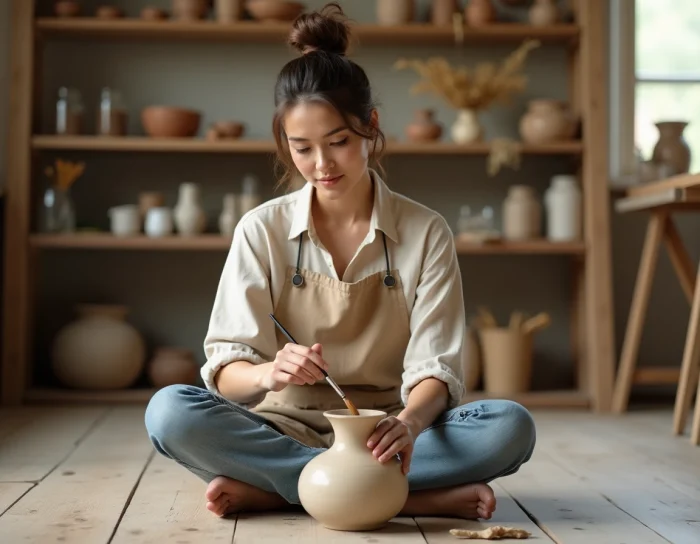
The leisure practices of the French have been transforming in recent years under the influence of two opposing forces: digital fatigue linked to remote work and pressure on purchasing power. CRÉDOC observes an increase in offline cultural practices (reading, artistic activities, nature) in leisure declarations since 2022, while scrolling on social media is declining. This movement reshapes what it means to “spend one’s free time” on a daily basis.
Slow tech leisure: why disconnection is becoming a full-fledged activity
Digital sobriety is no longer limited to putting down your phone for an hour a day. Disconnected reading clubs, handwriting workshops, and smartphone-free walks are being organized in several French cities. These formats share a common point: they transform the absence of screens into a collective rule of play, making disconnection easier to maintain than when decided alone.
The paper notebook is making a comeback in this wake. Bullet journals, sketchbooks, gratitude journals: these practices engage the hand, slow down the pace of thought, and produce a physical object that one keeps. For those looking to explore other avenues in this spirit, leisure on Smart Mag brings together various formats that go beyond traditional entertainment.
Field feedback diverges on one point: the duration of the effect. Some participants describe a lasting calm, while others revert to their digital habits after a few weeks. The regularity of practice matters more than its intensity.
Repair Cafés and useful DIY: creative hobbies that reduce waste
Repair Cafés are experiencing increased attendance driven by environmental concerns and pressure on household budgets. The principle is simple: bring a broken item, repair it with the help of volunteers, and leave with new skills.
CRÉDOC emphasizes that DIY and self-production hobbies are progressing among the declared practices of the French. DIY, shared gardening, making or repairing objects: these activities combine hands-on learning and concrete utility.
What distinguishes useful DIY from traditional creative hobbies
Traditional creative hobbies (painting, modeling, punch needle) aim for relaxation and the production of a decorative object. Useful DIY adds a functional dimension: one learns to re-sew a garment, reupholster a chair, or make household products. Satisfaction comes as much from the act as from the savings made.
- Repair sewing: patching jeans, replacing zippers, adjusting linings. Workshops use cotton and recycled materials.
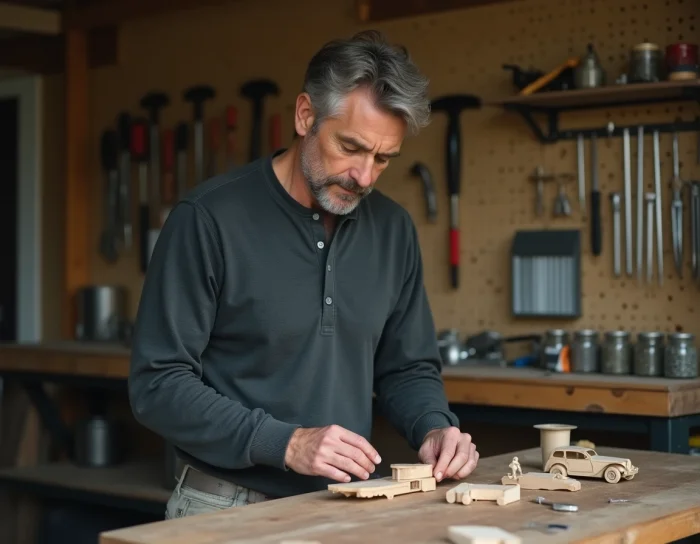
- Woodworking: small furniture, shelves, objects made from reclaimed wood. Accessible with basic tools.
- Paper and decor: making recycled paper, artisan binding, personalized notebooks from scraps.
This approach appeals to profiles who would never have defined themselves as “creative.” Learning to repair an everyday object serves as a gateway to other manual activities.
Outdoor leisure trend: shared gardens and local micro-adventures
Shared gardens are not new, but their function is evolving. They are becoming full-fledged leisure spaces, not just food production areas. Some include composting workshops, botany classes, or outdoor drawing sessions.
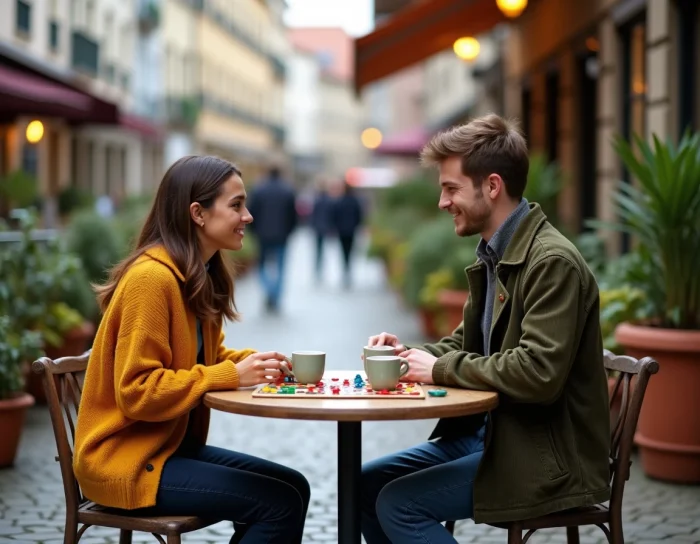
Micro-adventure, popularized by online communities, involves exploring one’s nearby environment as if traveling far away. Camping less than an hour from home, night hiking, swimming in a river: these formats require neither budget nor specialized equipment.
Budget and accessibility: what these activities really cost
Most shared gardens operate on a modest annual fee. Repair Cafés are free or based on voluntary contributions. Micro-adventures often require only a pair of shoes and a backpack.
The almost zero cost of these hobbies partly explains their growth in a context where fixed expenses are increasing. In contrast, some creative hobbies like epoxy resin or diamond painting require an initial investment in materials and tools that can surprise beginners.
Trendy manual activities: beyond novelty, what lasts
Each year brings its share of new creative trends. Some settle in, while others disappear after a few months of visibility on social media. One criterion helps distinguish between the two: does the learning curve reward perseverance?
Activities that last share several characteristics:
- They offer visible progression (a finished object, a measurable skill).
- They use accessible materials (cotton, paper, wood) rather than expensive consumables.
- They can be practiced alone or in groups, at home or in workshops, without dependence on a single location.
Cyanotype, for example, combines photography and gentle chemistry with minimal equipment. Artisan binding transforms ordinary paper into a personalized object. These practices may not be spectacular in a thirty-second video, but they build loyalty because they require time and produce a tangible result.
The hobby that lasts is the one that resists the urge to move on to the next. The available data does not allow for predicting which creative trend will dominate in a year, but the general dynamic points towards manual, local, and low-cost activities, in contrast to the passive and digital entertainment that characterized the previous decade.